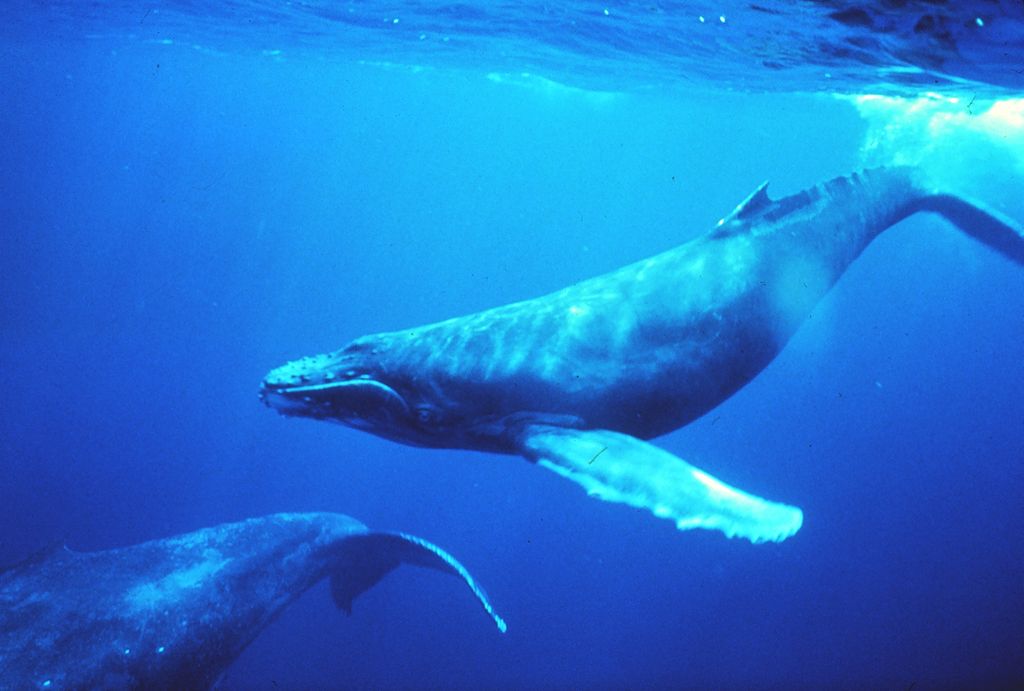
In nature, large animals tend to be long-lived. There are exceptions (sponges and clams are among the oldest living animals, and some corals may live over 4,000 years), but whales were the longest-lived vertebrates we knew of. One bowhead whale made it to an estimated age of 211 before (of course) a harpoon ended its career.
Now we find a fish - a shark, to be exact - which lives a low-energy lifestyle in deep cold waters of the Arctic might be the
oldest vertebrate anywhere. The sleeper sharks are probably the world's biggest sharks after the huge filter-feeders, the whale shark and basking shark. The Greenland shark, (
Somniosus microcephalus) records its age in accumulating tissue layers in the eyeball. One shark recently tested, a 5-meter giant, was approximately 392 years old. Even more outrageously, that may be the
average for Greenland sharks. Somewhere in the dark seas may be a shark 500 years old.
There is some difference of opinion in how many species of sleepers there are (one figure is 17), but they are widespread. The oft-cited website
Fish Base says they are found in Arctic, Sub-Arctic, and Sub-Antarctic, waters, plus continental shelves in cold seas, and even in tropical waters. Pacific sleepers may reach 8m (per a sighting from the submersible
Nautile off Japan) and maybe bigger: if the huge fish sighted by the crew of the submersible
Deepstar 4000 in 1968 was, as some authorities think, a sleeper shark, it was estimated at over 10m, maybe over 11. (If they are wrong - and the crew of two men reported bigger eyes and different tail shape - there is a still-unknown fish the size of a bus out there.)
Kilometers beneath the icy seas off Greenland, the great shark hunts prey near the seafloor. (Image NOAA)
So a tip of the hat to the Greenland shark - and to the animal alive today that might have seen the first post-Columbus Europeans to reach North America sail by.